

Course: Professional Diploma in Interior Design & Certificate Course on AI in Interior Design
 Array
Array




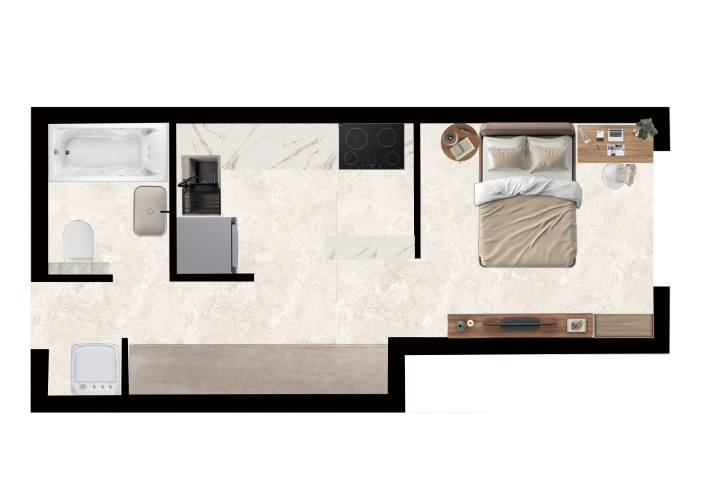
This studio apartment is conceived as a refined and efficient living environment that seamlessly blends functionality with contemporary aesthetics. The design focuses on maximizing spatial potential within a compact footprint, creating a fluid layout that accommodates living, sleeping, and dining without visual or physical clutter. A minimal yet warm design language defines the space, with a carefully curated palette of neutral tones, natural textures, and subtle accents to enhance depth and character. Smart zoning strategies achieved through furniture placement, lighting, and material transitions ensure privacy while maintaining an open and cohesive feel. Custom-designed, multi-functional furniture plays a key role in optimizing usability, allowing the space to adapt effortlessly to different needs throughout the day. Soft ambient lighting, layered with task and accent fixtures, enhances the spatial experience and adds a sense of comfort and sophistication.
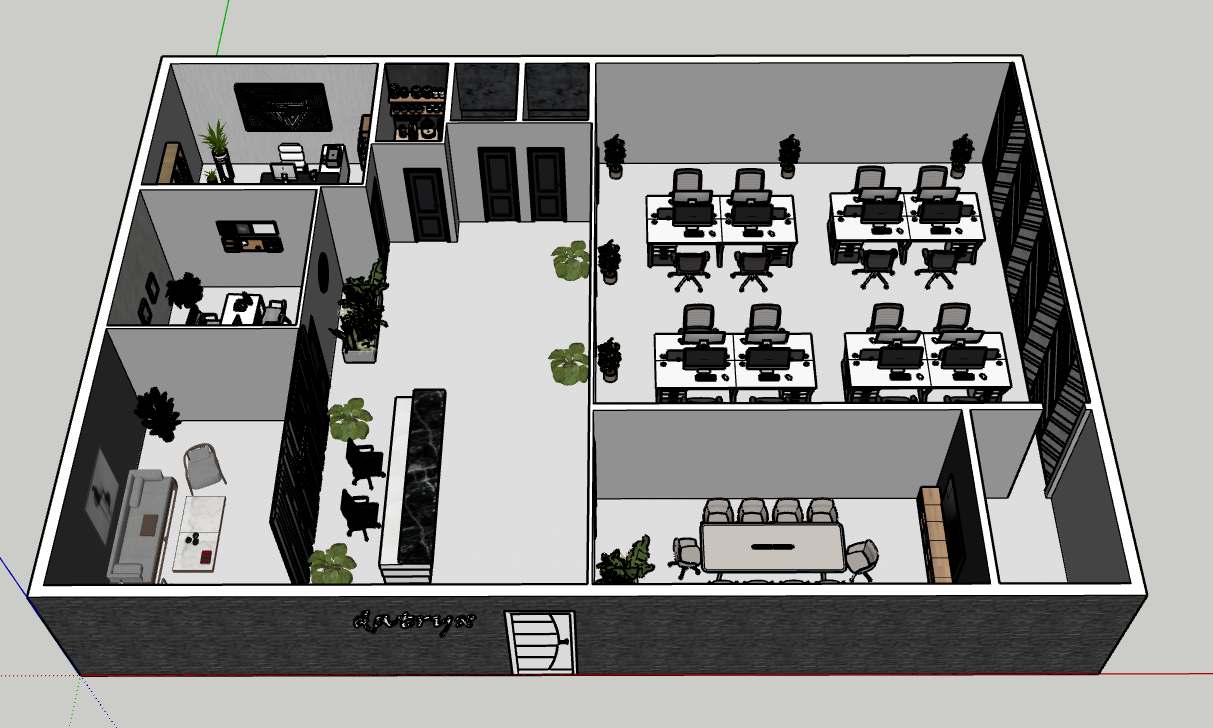
In the rapidly evolving world of design, office interiors have transformed from purely functional spaces into dynamic environments that foster productivity, creativity, and well-being. This specialization project focuses on the design and development of an office space that embodies a modern contemporary interior style, reflecting the needs and aspirations of today’s workforce. Modern contemporary design is characterized by clean lines, minimalism, open layouts, and a thoughtful integration of technology and comfort. It emphasizes simplicity without compromising on sophistication, creating spaces that are both aesthetically pleasing and highly functional. In the context of office interiors, this approach promotes efficiency, collaboration, and flexibility key elements in modern work culture.
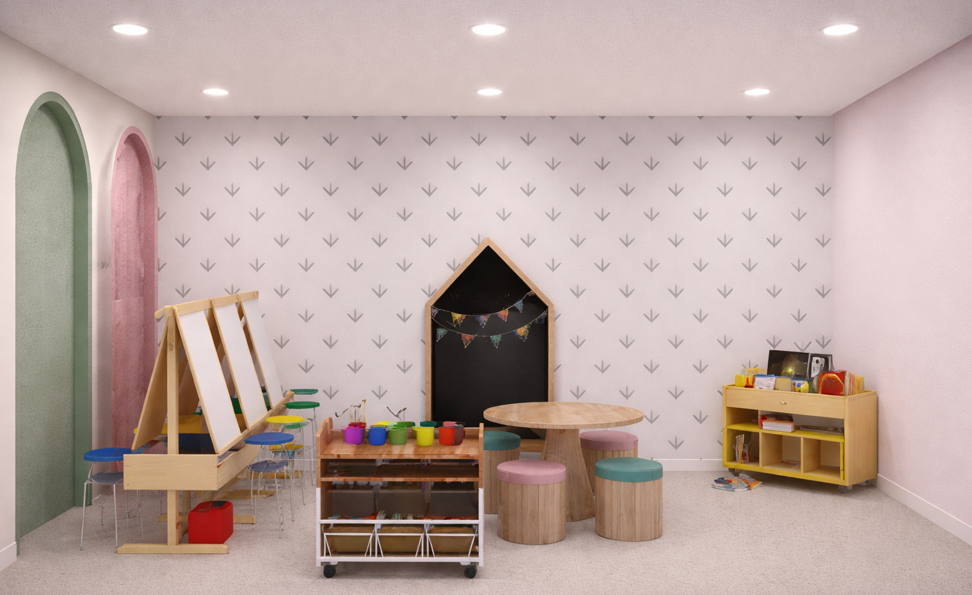
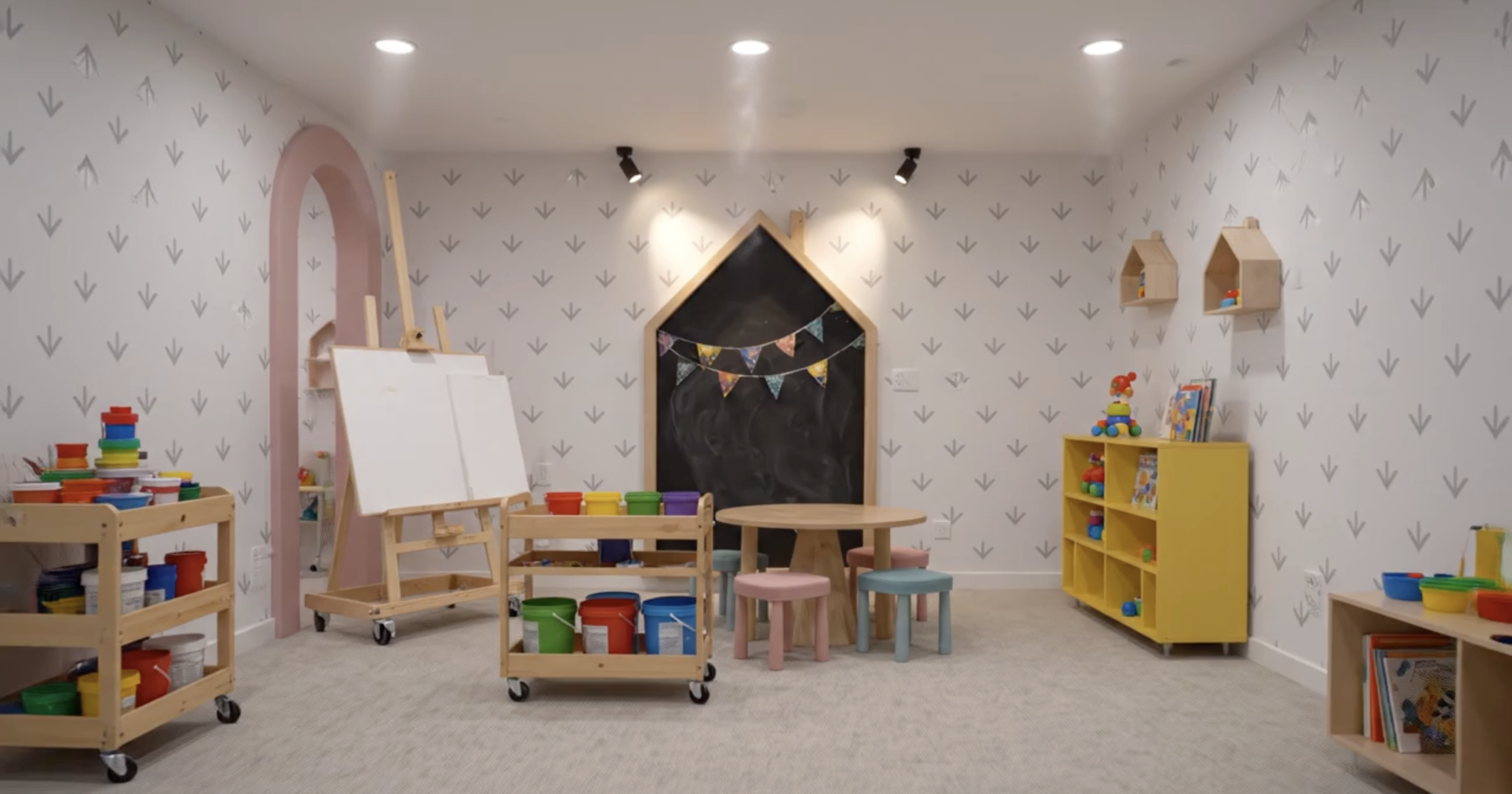
Early childhood is a crucial stage in human development, where the environment plays a significant role in shaping a child’s learning, behavior, and overall growth. This specialization project focuses on the design of a kindergarten space that supports the physical, emotional, and cognitive development of young children through thoughtful and creative interior design. A kindergarten is more than just a place for basic education it is a nurturing environment where children explore, interact, and develop essential life skills. Therefore, the design of such a space must be safe, engaging, and stimulating. This project emphasizes the importance of creating a child-friendly environment that incorporates vibrant colors, flexible layouts, interactive elements, and age-appropriate furniture. The objective of this project is to develop a kindergarten design that encourages creativity, curiosity, and social interaction while ensuring comfort and safety. Key aspects such as spatial planning, lighting, material selection, and ergonomics are carefully considered to meet the specific needs of children. Additionally, the integration of playful learning zones and sensory experiences aims to enhance both educational and recreational activities.
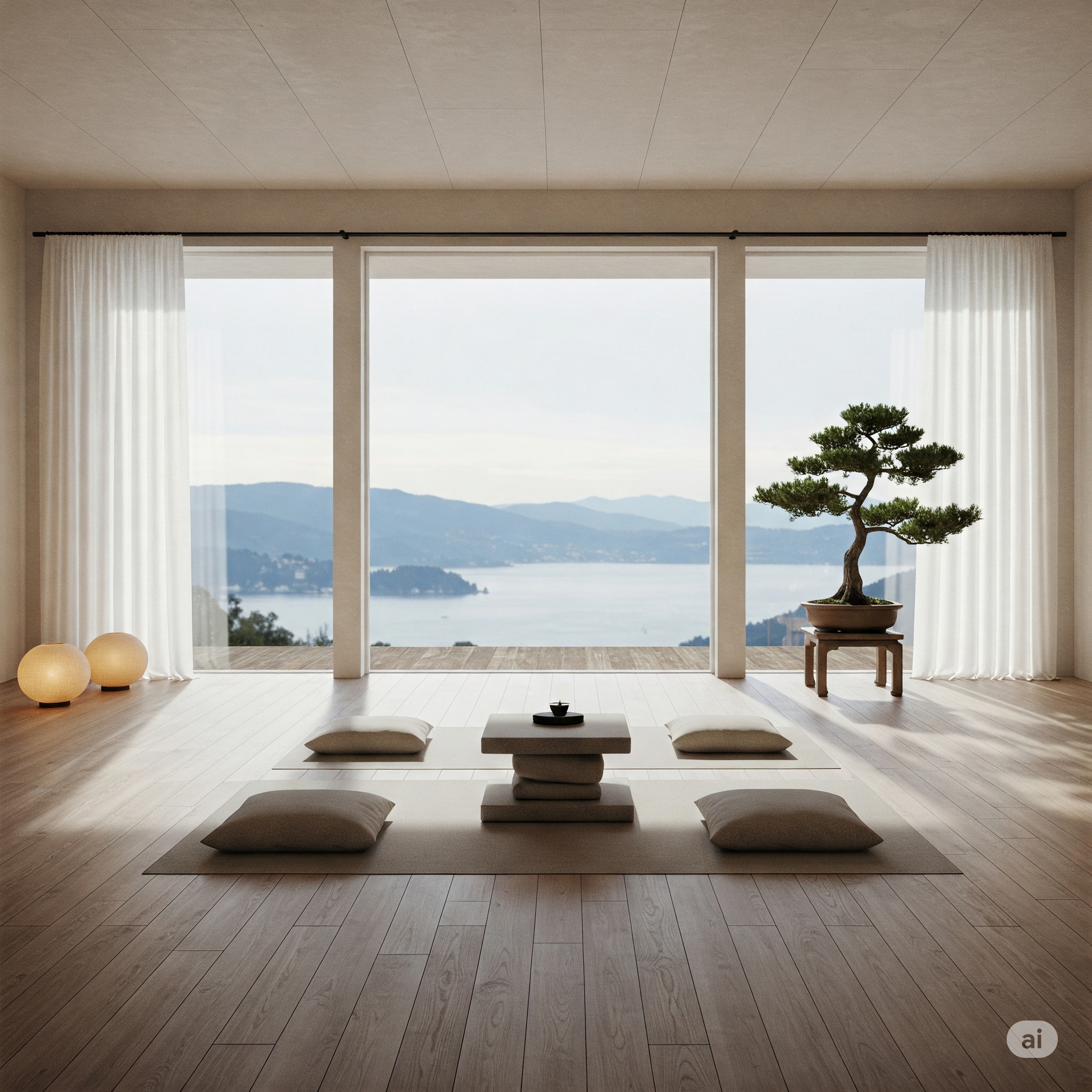
The field of interior design is undergoing a significant transformation with the integration of Artificial Intelligence (AI). Traditionally driven by creativity and manual processes, interior design is now being enhanced by intelligent technologies that streamline workflows, improve accuracy, and offer innovative design solutions. This project explores the role of AI in reshaping the way interior spaces are conceptualized, designed, and executed. Artificial Intelligence enables designers to analyze data, understand user preferences, and generate design options that are both functional and aesthetically pleasing. From automated space planning and 3D visualization to smart home integration, AI tools are helping create more efficient, personalized, and adaptive environments. These advancements not only save time but also allow for better decision-making and improved client satisfaction. The aim of this project is to study how AI can be effectively incorporated into interior design practices to enhance creativity and productivity. By examining various AI-driven tools and techniques, this study highlights their impact on modern design processes and the future potential of technology in shaping interior spaces.
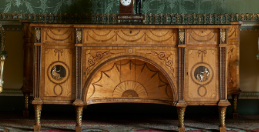
Thomas Chippendale (1718–1779) was a renowned English furniture designer and cabinetmaker whose work greatly influenced 18th-century interior design. He became famous through his publication The Gentleman and Cabinet-Maker’s Director (1754), one of the first comprehensive furniture design catalogues, which allowed clients and craftsmen to replicate his elegant styles. Chippendale’s designs are notable for blending different artistic influences, including the ornate curves of the Rococo style, the pointed arches of Gothic design, and the intricate latticework inspired by Chinese art. His furniture was typically crafted from high-quality mahogany wood, enabling detailed carving and fine finishes. Characteristic features of his work include graceful proportions, elaborate decorative motifs such as scrolls and foliage, cabriole legs, and claw-and-ball feet. Through his innovative approach and published designs, Chippendale transformed furniture-making into a respected art form and left a lasting impact on furniture design worldwide.

 245
245
 274
274

2026 2026
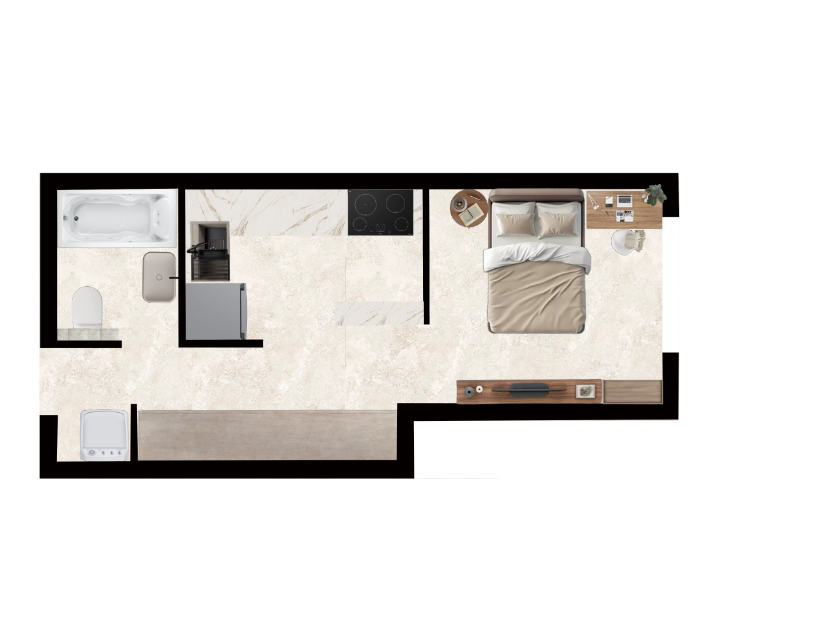
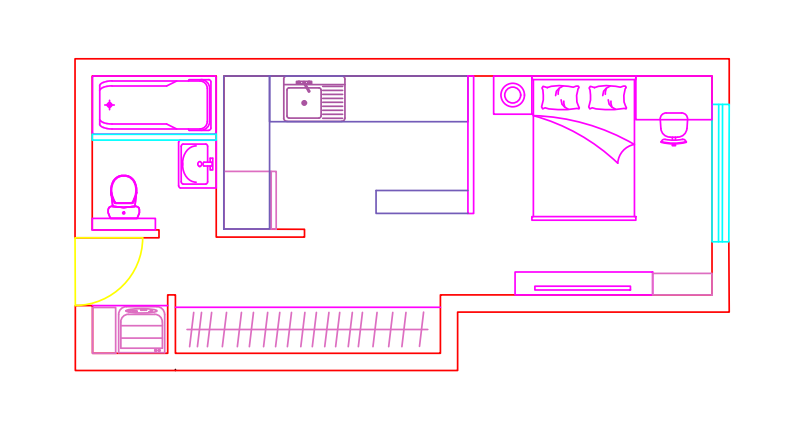
This studio apartment is conceived as a refined and efficient living environment that seamlessly blends functionality with contemporary aesthetics. The design focuses on maximizing spatial potential within a compact footprint, creating a fluid layout that accommodates living, sleeping, and dining without visual or physical clutter.
A minimal yet warm design language defines the space, with a carefully curated palette of neutral tones, natural textures, and subtle accents to enhance depth and character. Smart zoning strategies achieved through furniture placement, lighting, and material transitions ensure privacy while maintaining an open and cohesive feel. Custom-designed, multi-functional furniture plays a key role in optimizing usability, allowing the space to adapt effortlessly to different needs throughout the day. Soft ambient lighting, layered with task and accent fixtures, enhances the spatial experience and adds a sense of comfort and sophistication.
2026 2026
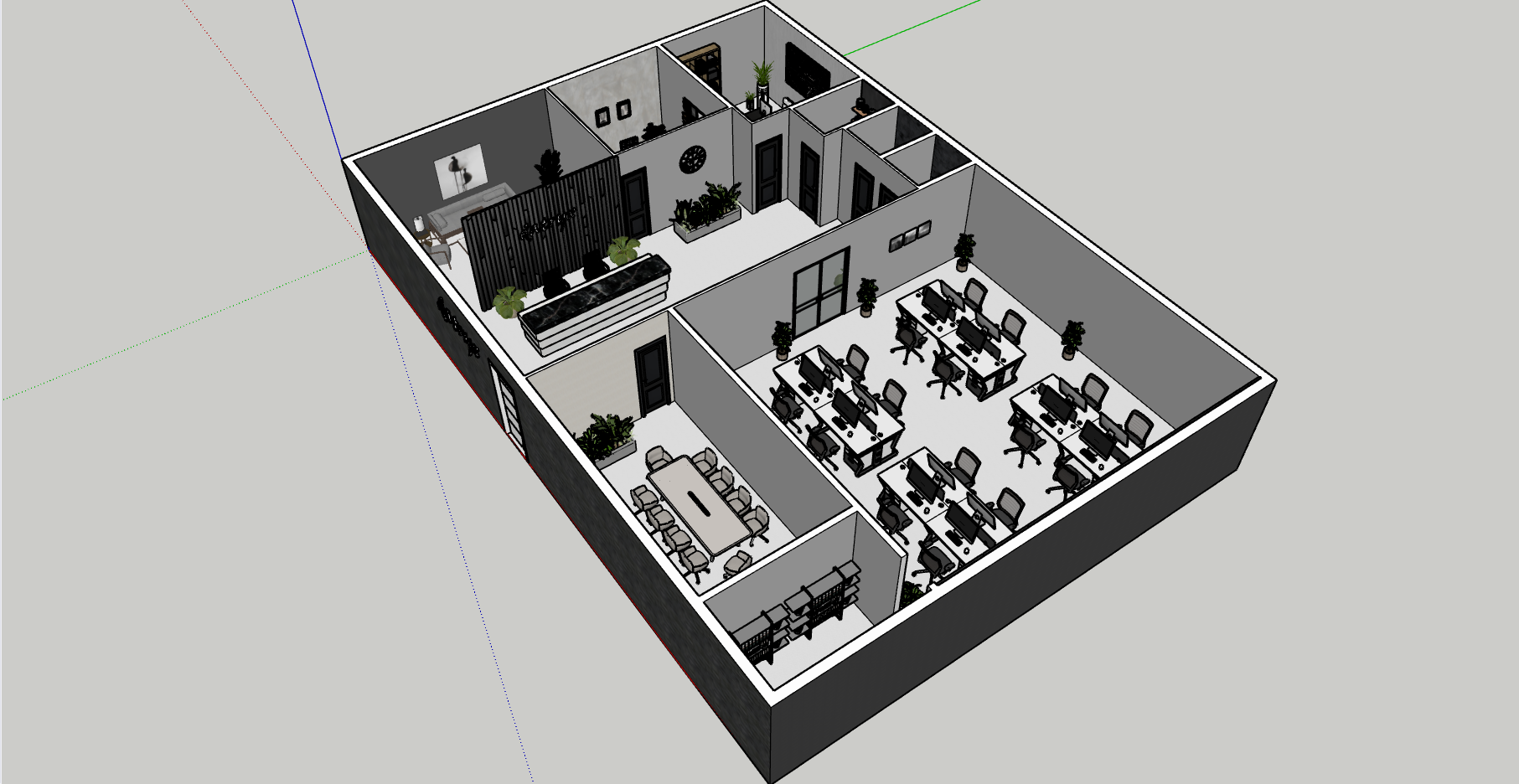
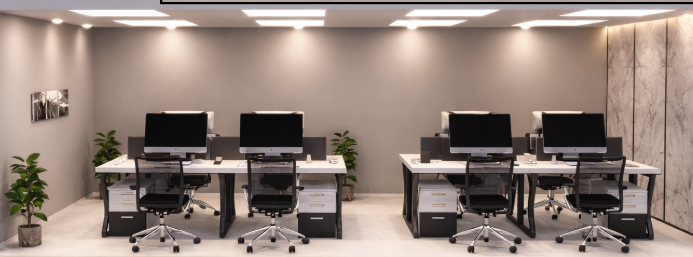
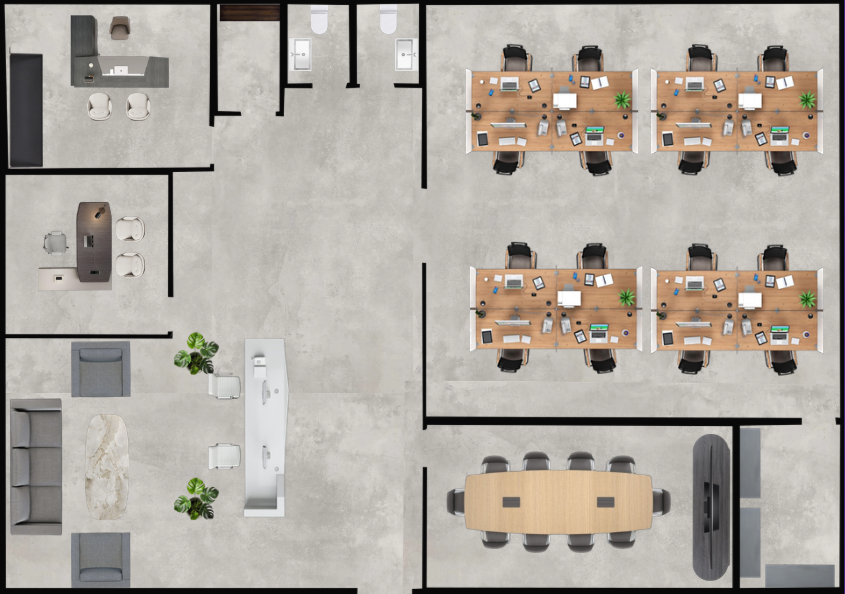
In the rapidly evolving world of design, office interiors have transformed from purely functional spaces into dynamic environments that foster productivity, creativity, and well-being. This specialization project focuses on the design and development of an office space that embodies a modern contemporary interior style, reflecting the needs and aspirations of today’s workforce.
Modern contemporary design is characterized by clean lines, minimalism, open layouts, and a thoughtful integration of technology and comfort. It emphasizes simplicity without compromising on sophistication, creating spaces that are both aesthetically pleasing and highly functional. In the context of office interiors, this approach promotes efficiency, collaboration, and flexibility key elements in modern work culture.
2025 2026
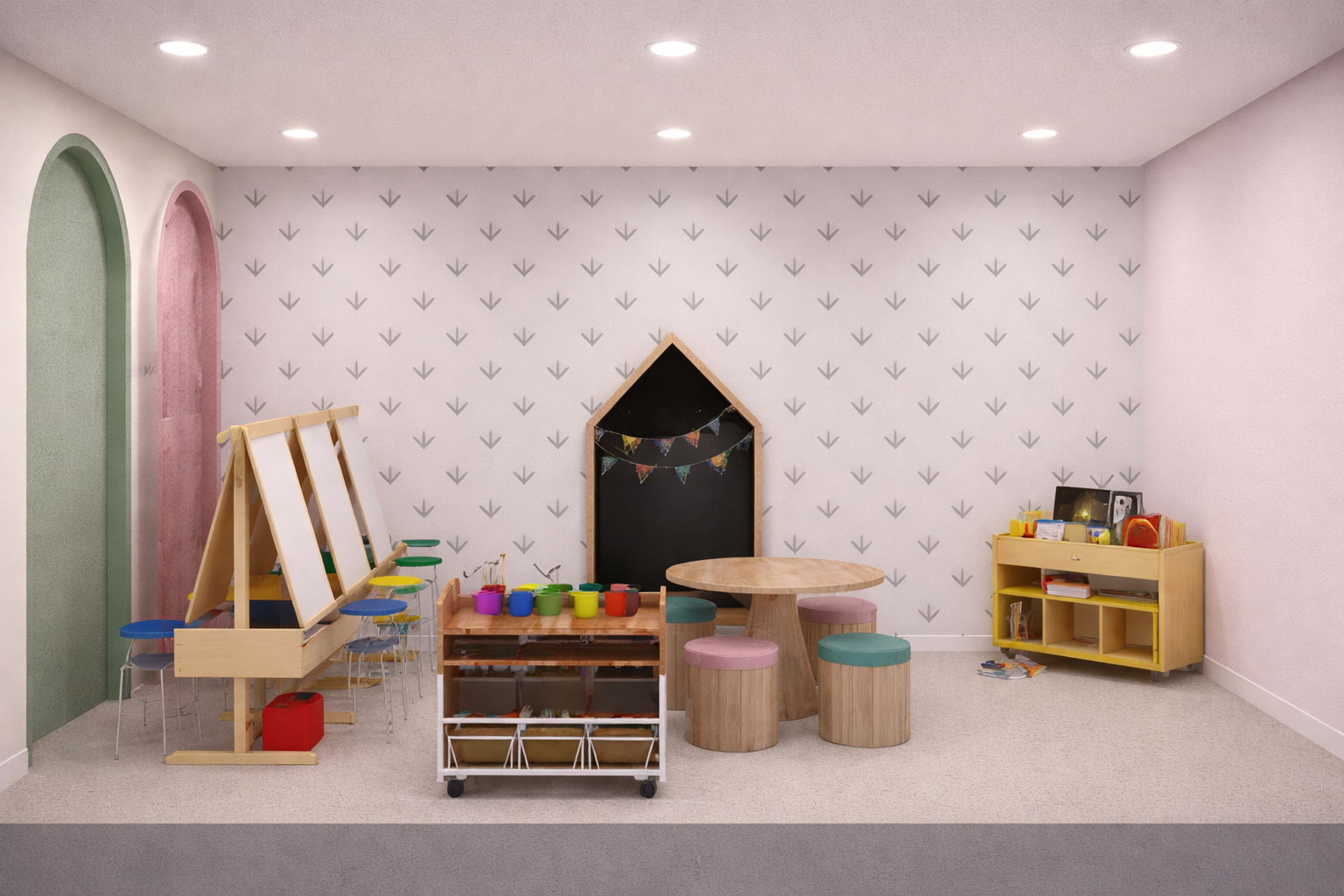
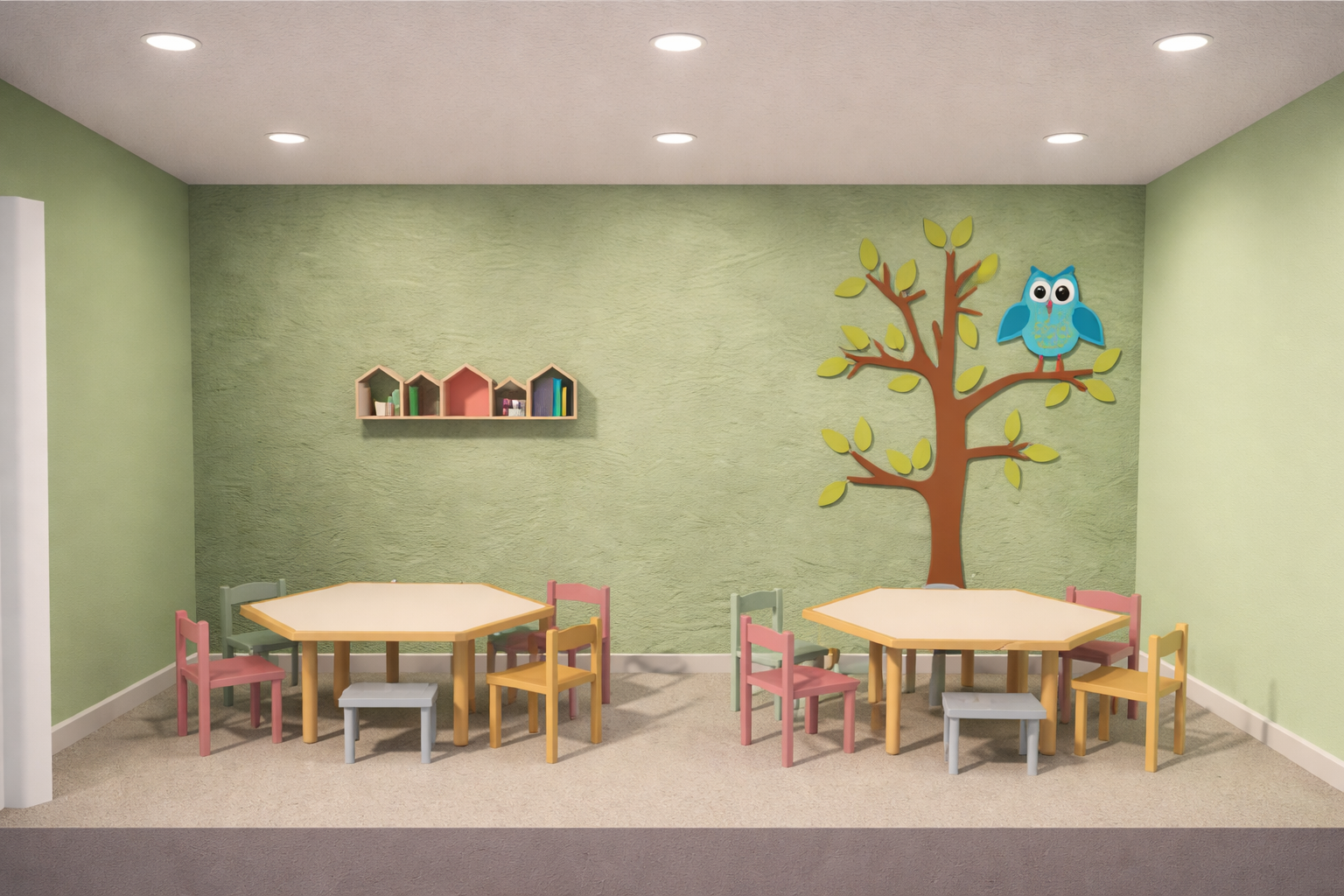
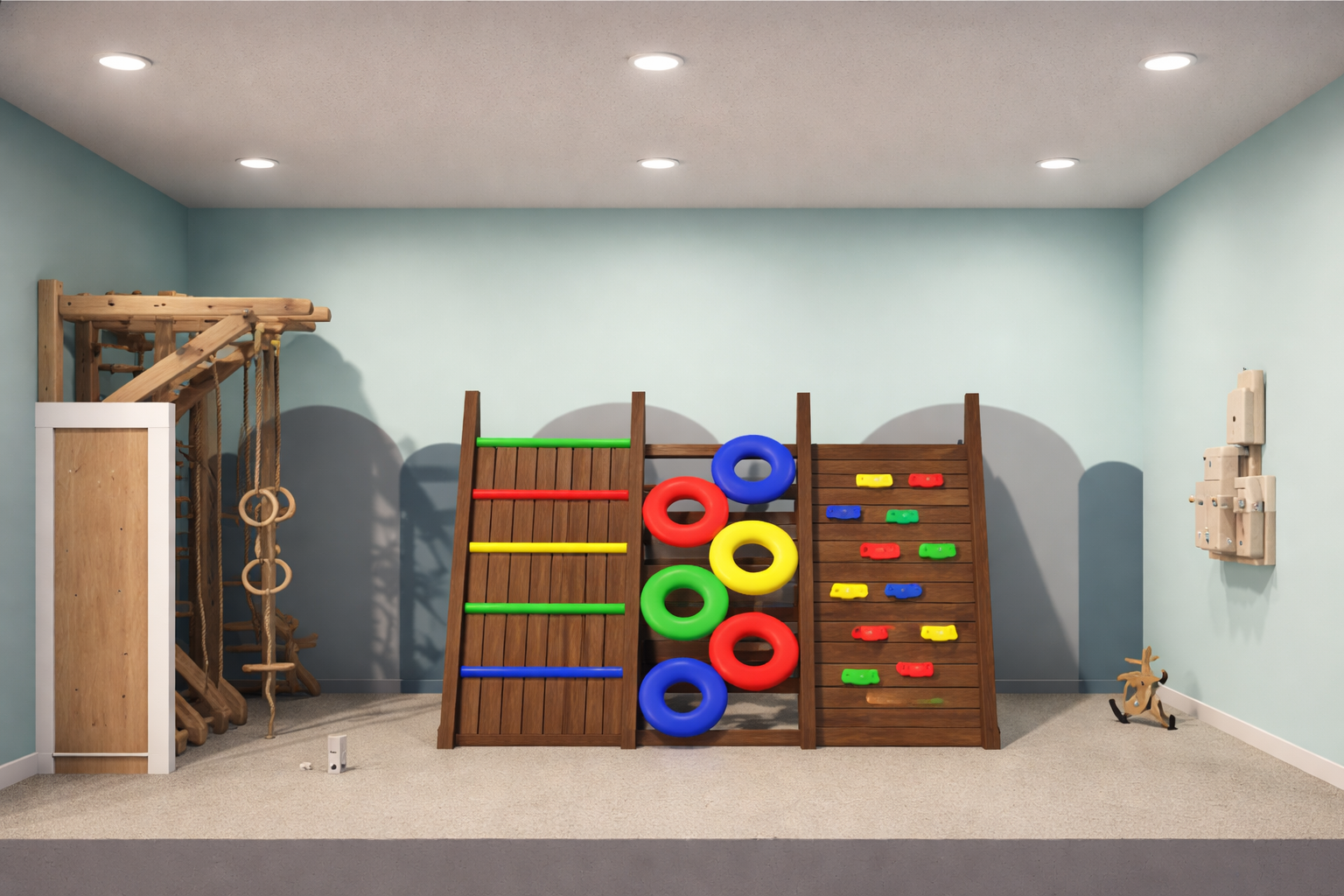
Early childhood is a crucial stage in human development, where the environment plays a significant role in shaping a child’s learning, behavior, and overall growth. This specialization project focuses on the design of a kindergarten space that supports the physical, emotional, and cognitive development of young children through thoughtful and creative interior design.
A kindergarten is more than just a place for basic education it is a nurturing environment where children explore, interact, and develop essential life skills. Therefore, the design of such a space must be safe, engaging, and stimulating. This project emphasizes the importance of creating a child-friendly environment that incorporates vibrant colors, flexible layouts, interactive elements, and age-appropriate furniture. The objective of this project is to develop a kindergarten design that encourages creativity, curiosity, and social interaction while ensuring comfort and safety. Key aspects such as spatial planning, lighting, material selection, and ergonomics are carefully considered to meet the specific needs of children. Additionally, the integration of playful learning zones and sensory experiences aims to enhance both educational and recreational activities.
2025 2026
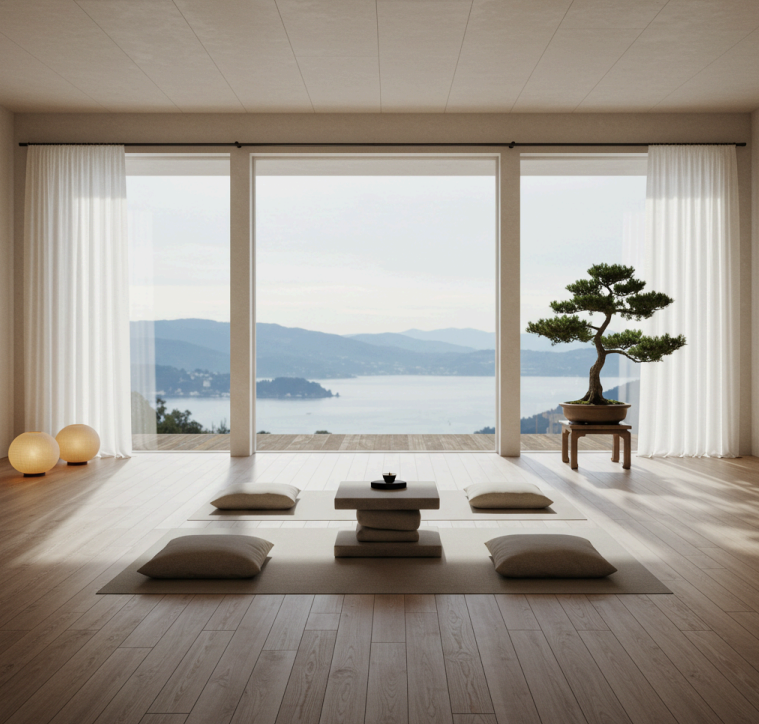
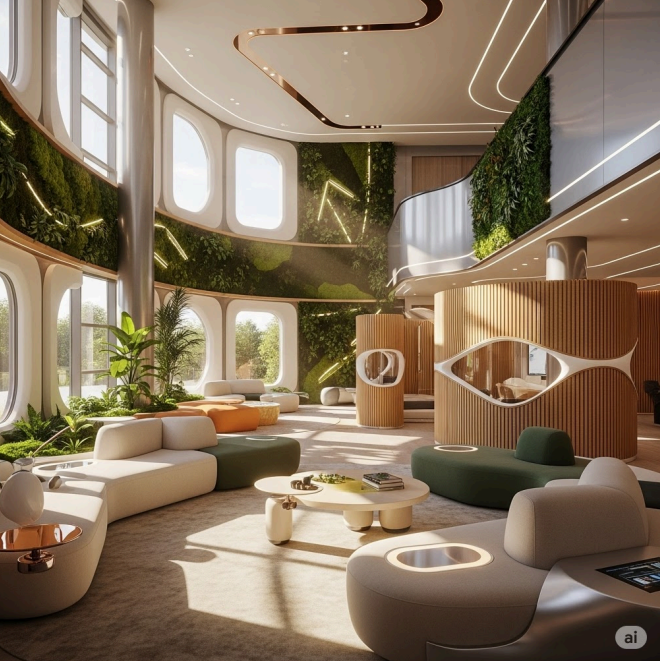
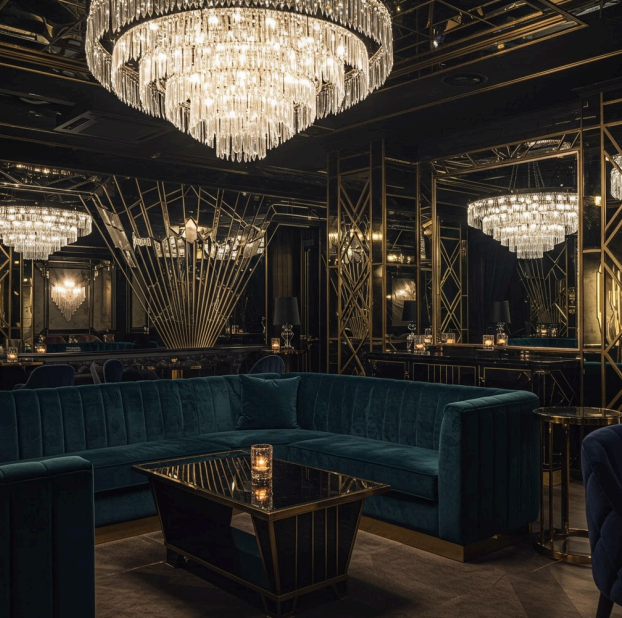
The field of interior design is undergoing a significant transformation with the integration of Artificial Intelligence (AI). Traditionally driven by creativity and manual processes, interior design is now being enhanced by intelligent technologies that streamline workflows, improve accuracy, and offer innovative design solutions. This project explores the role of AI in reshaping the way interior spaces are conceptualized, designed, and executed.
Artificial Intelligence enables designers to analyze data, understand user preferences, and generate design options that are both functional and aesthetically pleasing. From automated space planning and 3D visualization to smart home integration, AI tools are helping create more efficient, personalized, and adaptive environments. These advancements not only save time but also allow for better decision-making and improved client satisfaction.
The aim of this project is to study how AI can be effectively incorporated into interior design practices to enhance creativity and productivity. By examining various AI-driven tools and techniques, this study highlights their impact on modern design processes and the future potential of technology in shaping interior spaces.
2024 2025

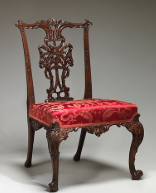
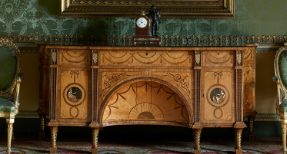
Thomas Chippendale (1718–1779) was a renowned English furniture designer and cabinetmaker whose work greatly influenced 18th-century interior design. He became famous through his publication The Gentleman and Cabinet-Maker’s Director (1754), one of the first comprehensive furniture design catalogues, which allowed clients and craftsmen to replicate his elegant styles. Chippendale’s designs are notable for blending different artistic influences, including the ornate curves of the Rococo style, the pointed arches of Gothic design, and the intricate latticework inspired by Chinese art. His furniture was typically crafted from high-quality mahogany wood, enabling detailed carving and fine finishes. Characteristic features of his work include graceful proportions, elaborate decorative motifs such as scrolls and foliage, cabriole legs, and claw-and-ball feet. Through his innovative approach and published designs, Chippendale transformed furniture-making into a respected art form and left a lasting impact on furniture design worldwide.
2024 2025
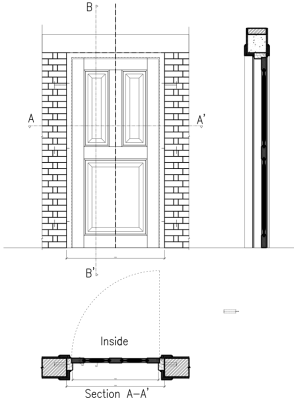
Building construction and furniture design are fundamental aspects of the built environment that shape both the functionality and aesthetics of spaces. Building construction involves the planning, designing, and assembling of structures such as houses, offices, and public buildings, using materials like concrete, steel, wood, and glass. It focuses on safety, durability, and efficient use of resources while meeting the needs of users.
Furniture design, on the other hand, deals with the creation of movable objects like chairs, tables, and storage units that enhance the usability and comfort of interior spaces. It combines creativity, ergonomics, materials, and craftsmanship to produce pieces that are both practical and visually appealing. Together, building construction and furniture design play a vital role in creating comfortable, functional, and attractive living and working environments.

I believe that design is a thoughtful balance between functionality, aesthetics, and human experience. Every space and piece of furniture I create is guided by the idea that good design should not only look beautiful but also serve a clear purpose and improve everyday living. I focus on simplicity and clarity, where each element has meaning and contributes to the overall harmony of the design. I value clean forms, efficient use of materials, and attention to detail, ensuring that my work is both practical and visually appealing. Comfort and usability are at the core of my approach, as I aim to design spaces and furniture that people can truly connect with and enjoy. Sustainability and context also play an important role in my process. I strive to make responsible design choices by selecting materials wisely and considering the environment and cultural surroundings. For me, design is not just about creating structures or objects it is about crafting experiences that enhance the quality of life and stand the test of time.




About Us
About Us
The Academy of Applied Arts, with 14 years of heritage, specializes in transformative design. They are experts in crafting luxurious, timeless interiors and architecture, showcased across 6 countries, notably in New Delhi.
2020
Ranked among the
by the academic insights
2019
Ranked among the
by the academic insights
2018
Ranked among the
by the academic insights
2017
Ranked among the
by the academic insights
2016
Ranked among the
by the academic insights


