

Course: Professional Diploma in Interior Designing and Certificate course on AI in Interior Design
 Array
Array



Designed for a high-flying finance professional, this cosmopolitan studio blends raw architectural grit with sophisticated luxury. Polished concrete, dark ironmongery, and unrefined surfaces deliver a striking architectural impact, paired with rich timber and plush hide to infuse warmth. Bespoke cabinetry, a dedicated minimalist office nook, and automated systems seamlessly accommodate a high-performance daily routine. Dimmable, strategic illumination tempers the structural coldness, turning the efficient layout into a chic sanctuary optimized for focused work and deep relaxation.
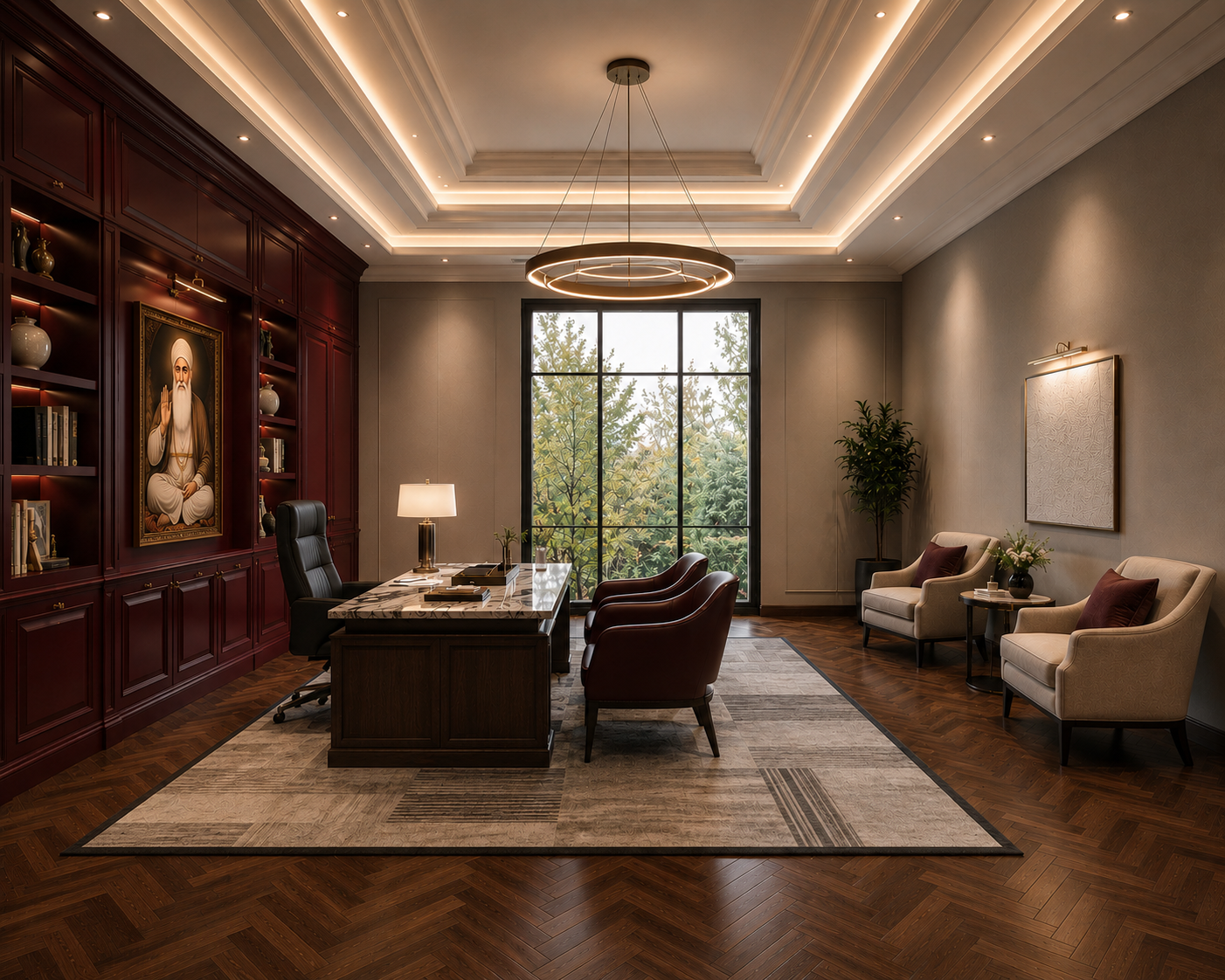
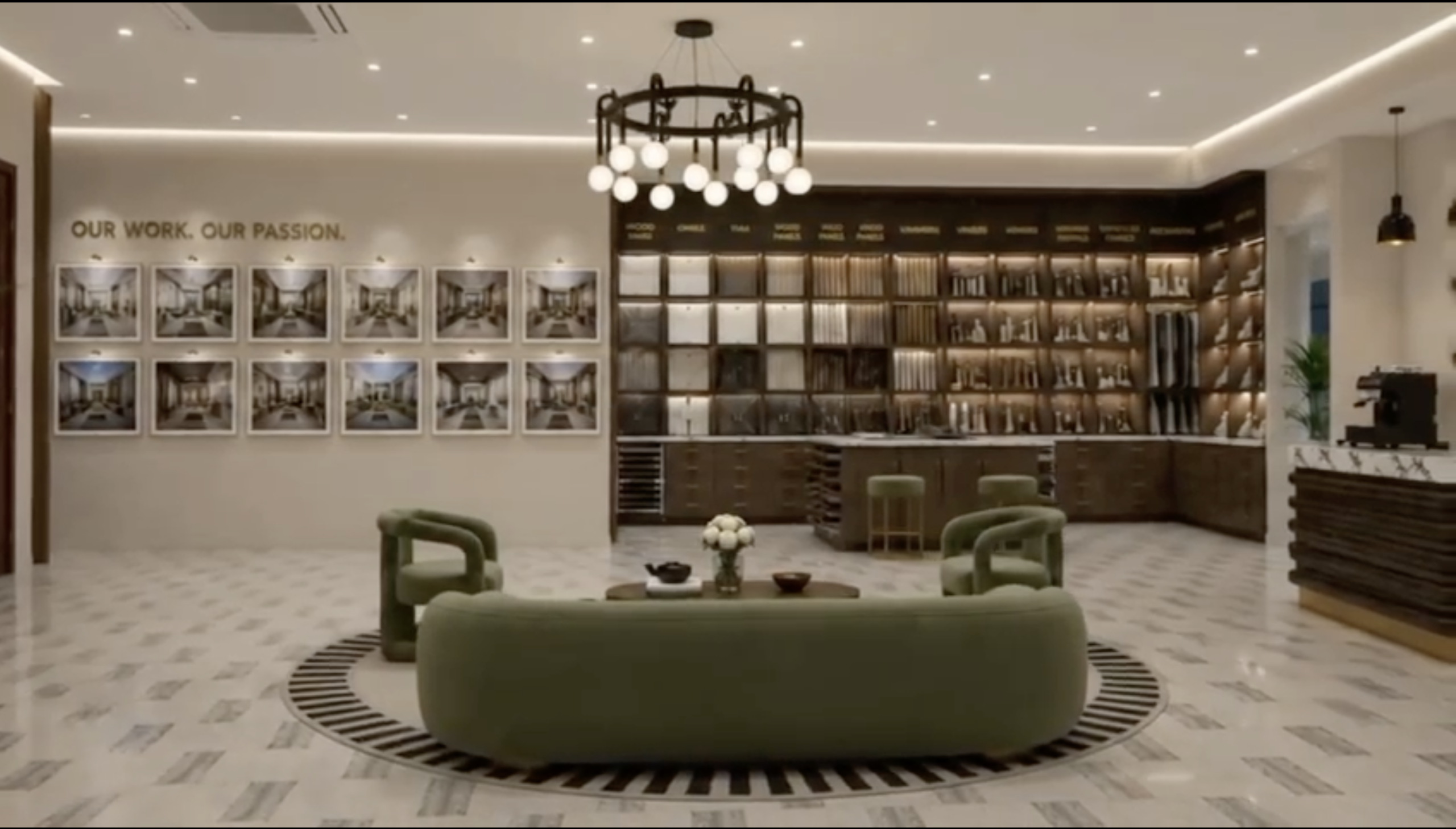
As part of my Capstone Project, I worked on designing a complete office space, taking the project from initial research and concept development to the final presentation. The project focused on creating a functional, aesthetically appealing, and user-centric workspace while considering space planning, ergonomics, materials, finishes, and design elements. A key aspect of the project was the integration of various AI tools throughout the design process. AI was used for research, ideation, concept development, visualization, and generating realistic 3D renders. We were also trained to use AI tools for creating immersive walkthroughs, which helped bring the designed space to life and communicate the overall design intent effectively.
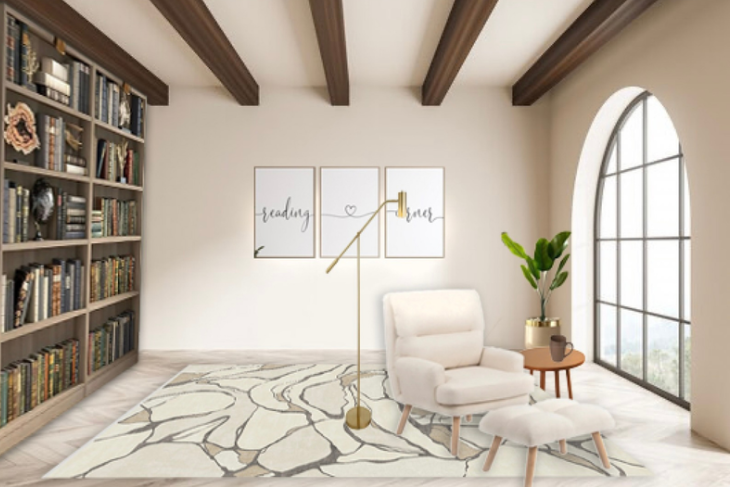
This project explores the art of interior styling through distinct spatial typologies, curated aesthetics, and defining design features. Each space was developed with a considered styling direction, focusing on the interplay of furniture, décor, colour, texture, materials, and architectural elements to establish a distinctive visual identity. Adobe Photoshop was extensively used as a styling and visualisation tool, demonstrating my ability to work with layering, masking, image manipulation, colour adjustments, compositing, and detailed retouching to develop and refine interior compositions. The project strengthened my ability to translate styling concepts into compelling visual narratives, while combining creative direction, digital proficiency, and an eye for composition and detail.
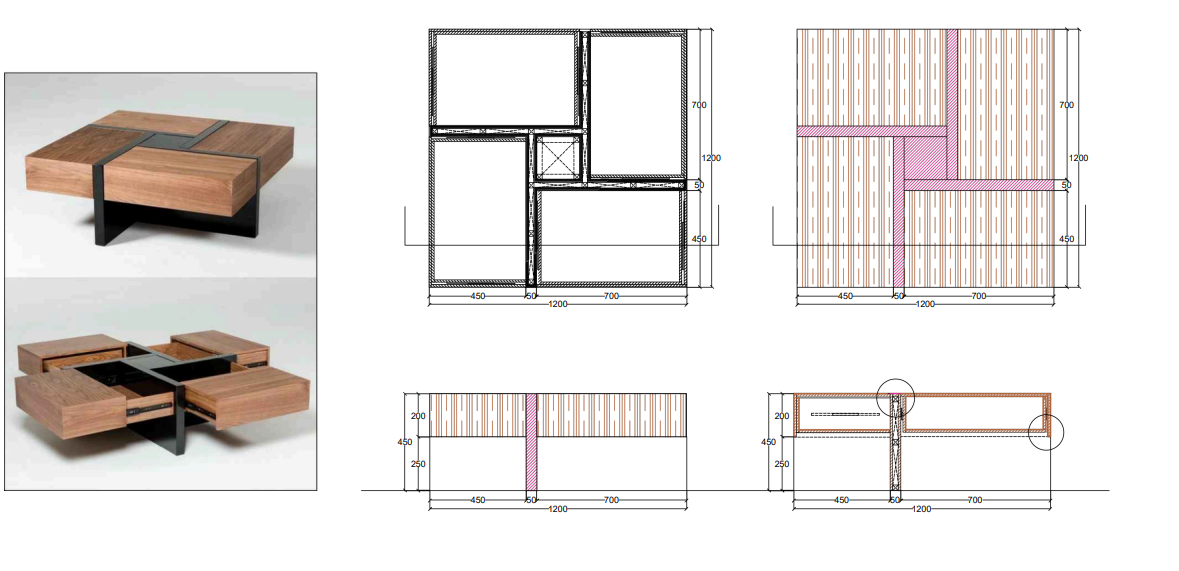
I completed a comprehensive Furniture Design course at the Academy of Applied Arts under the guidance of Sidhartha Sir. The course provided an in-depth understanding of furniture design, covering the history and evolution of furniture, material selection, and appropriate finishes. We learned to design furniture with a strong focus on ergonomics, functionality, comfort, and user requirements. The course also emphasized concept development, enabling us to translate creative ideas into practical and aesthetically appealing designs. Through this learning experience, I developed a better understanding of design principles, material applications, proportions, detailing, and the process of creating furniture that balances functionality, comfort, and visual appeal.
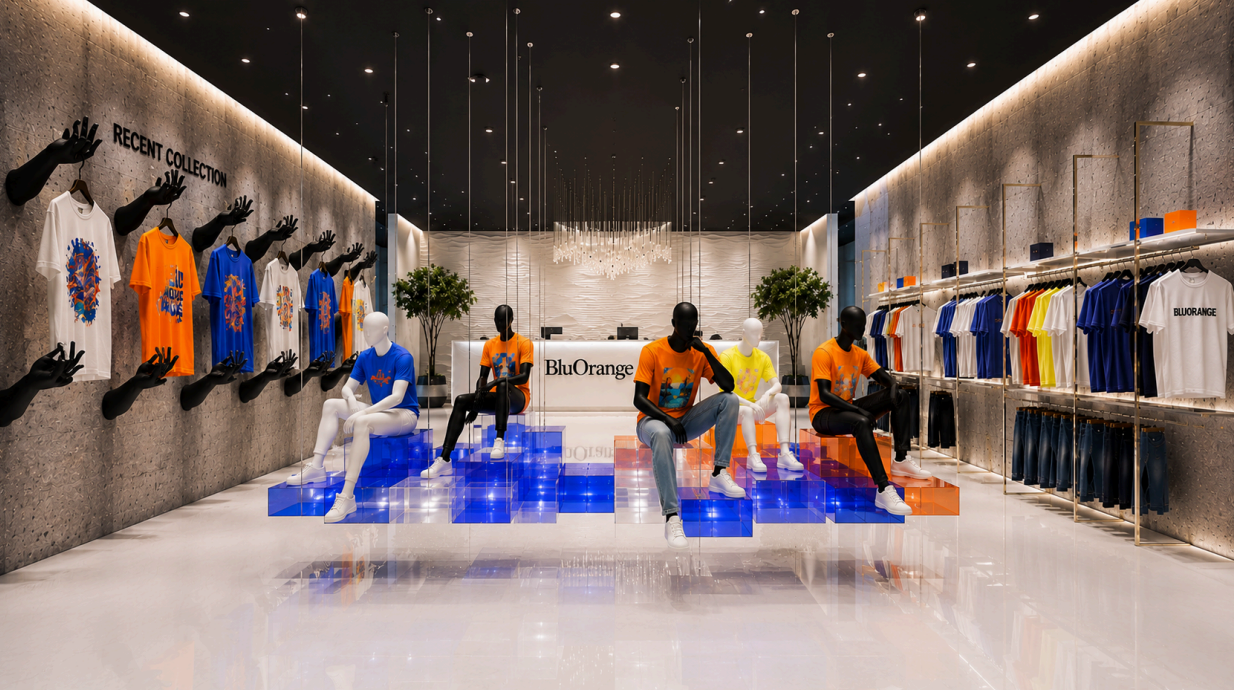
The project involved designing and transforming different interior spaces using AI-driven tools while experimenting with diverse aesthetics and design directions. This experience helped bridge the gap between creative imagination and digital visualisation, making the design process more efficient, experimental, and engaging. Overall, the project provided valuable insight into how AI can complement a designer’s creativity while opening new possibilities for innovation and contemporary interior design.

 245
245
 274
274

2025 2025
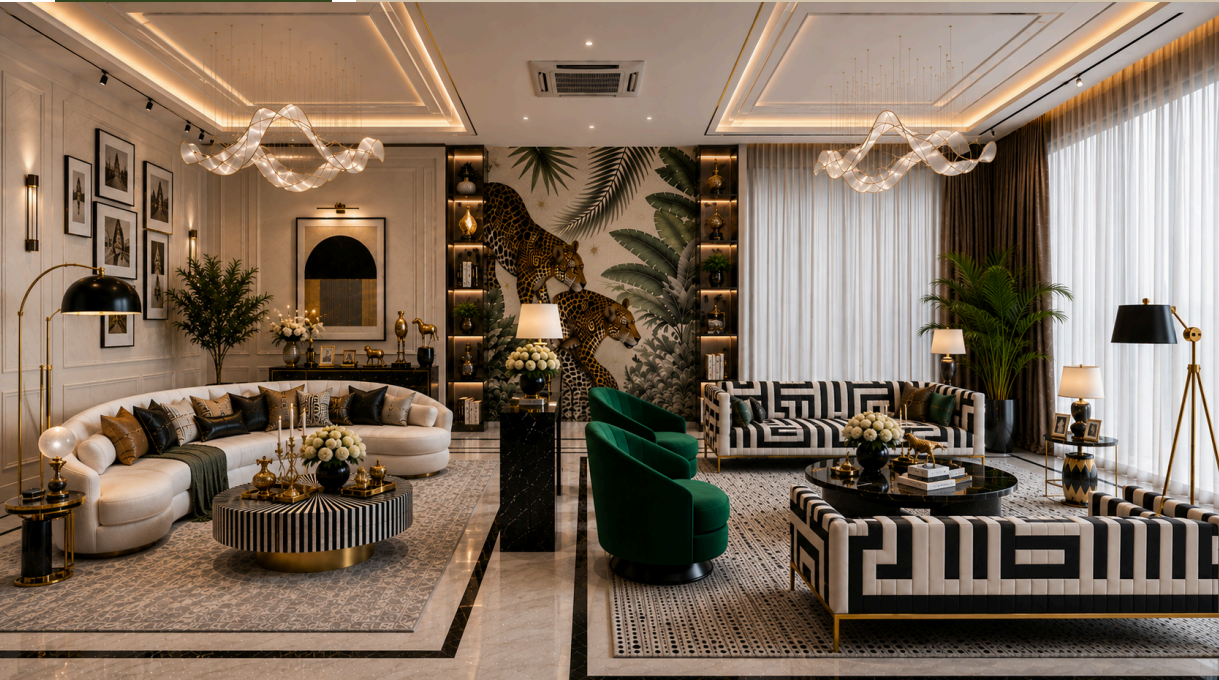
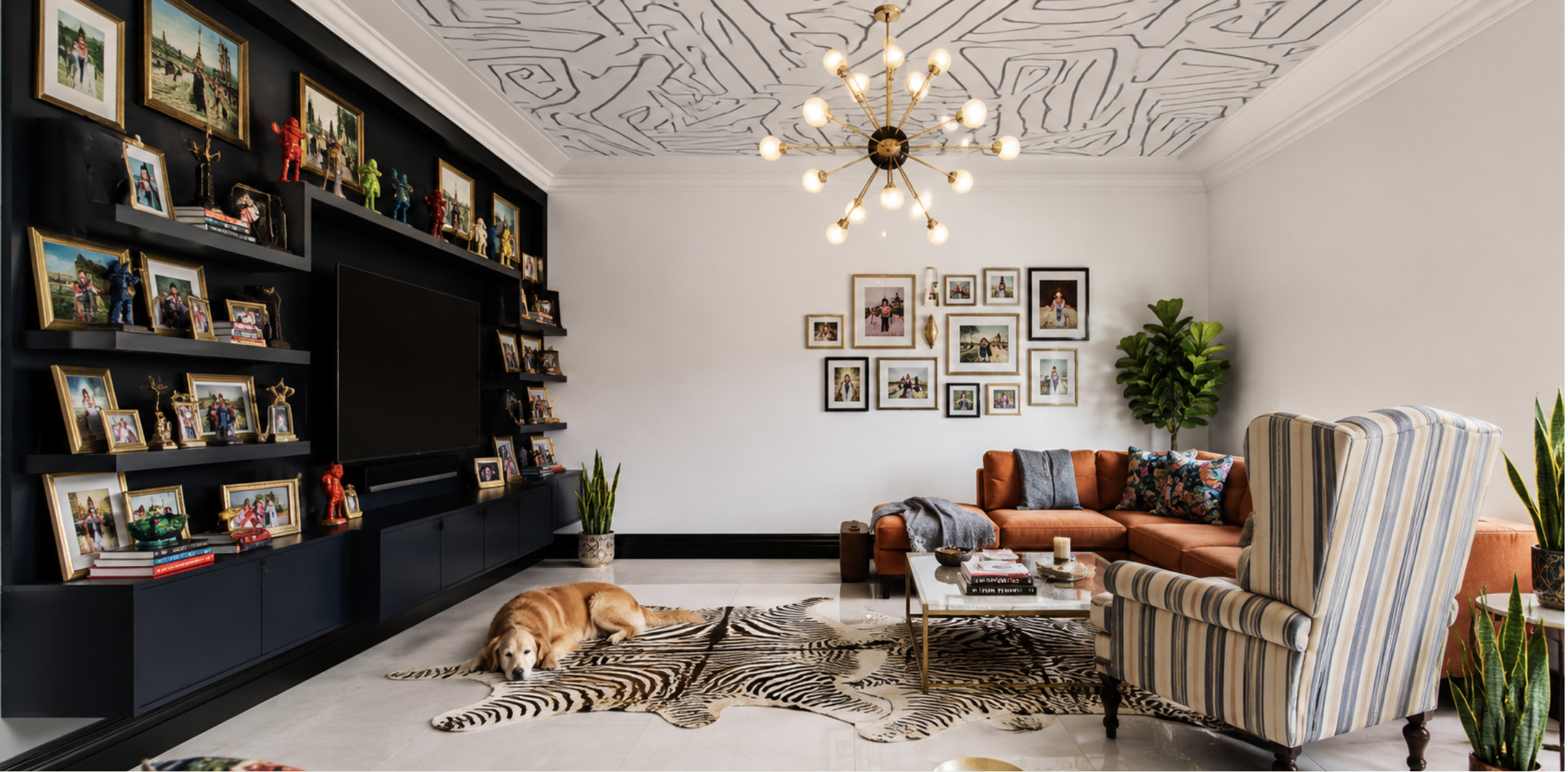
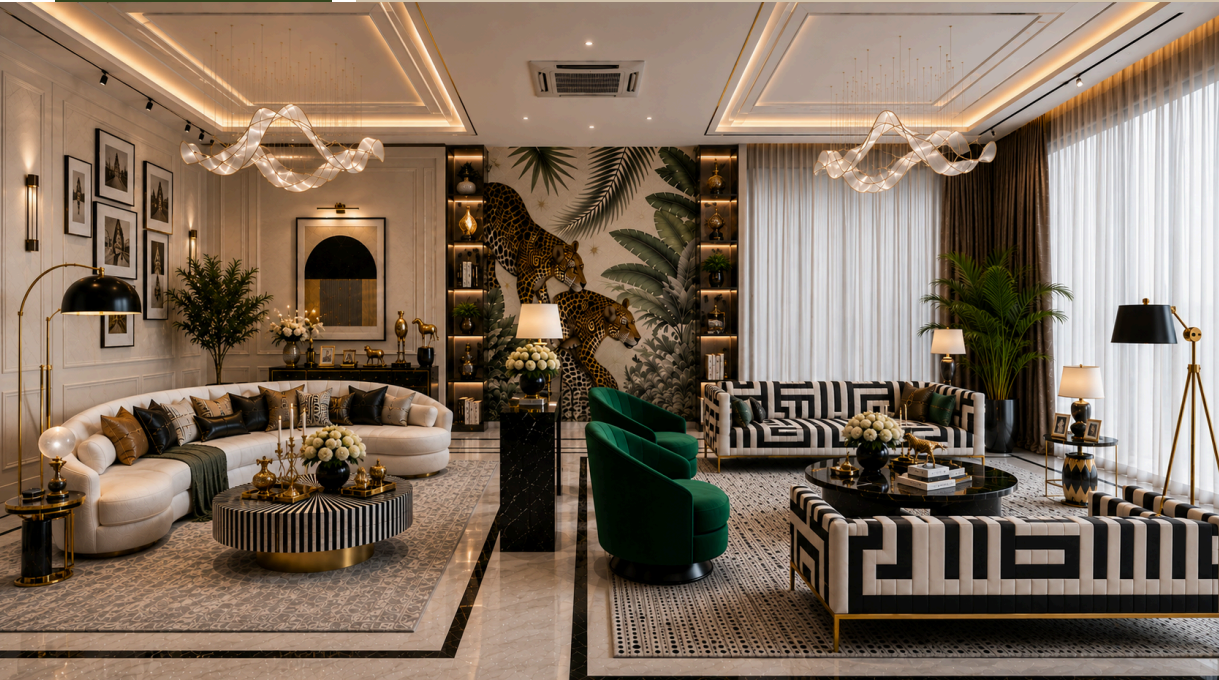
Sukoon Villa is envisioned as a contemporary retreat that celebrates the harmony between architecture, nature, and everyday living. The design is rooted in the idea of Sukoon—a sense of tranquillity, comfort, and emotional well-being—translated through warm materials, layered textures, natural elements, and thoughtfully curated spaces. The villa embraces a modern maximalist approach, enriched with expressive detailing, curated statement elements, and bold yet balanced compositions, while still maintaining a refined dialogue between classic elegance and contemporary design sensibilities.
The architectural language combines modern aesthetics with timeless classical influences, resulting in a home that feels both sophisticated and enduring. Rich material palettes, sculptural forms, and artful layering are carefully balanced with functional planning, ensuring the spaces remain welcoming, and emotionally resonant.
The spatial design focuses on seamless transitions between interiors and landscape, allowing natural light, greenery, and open views to become an integral part of the experience.
2025 2025
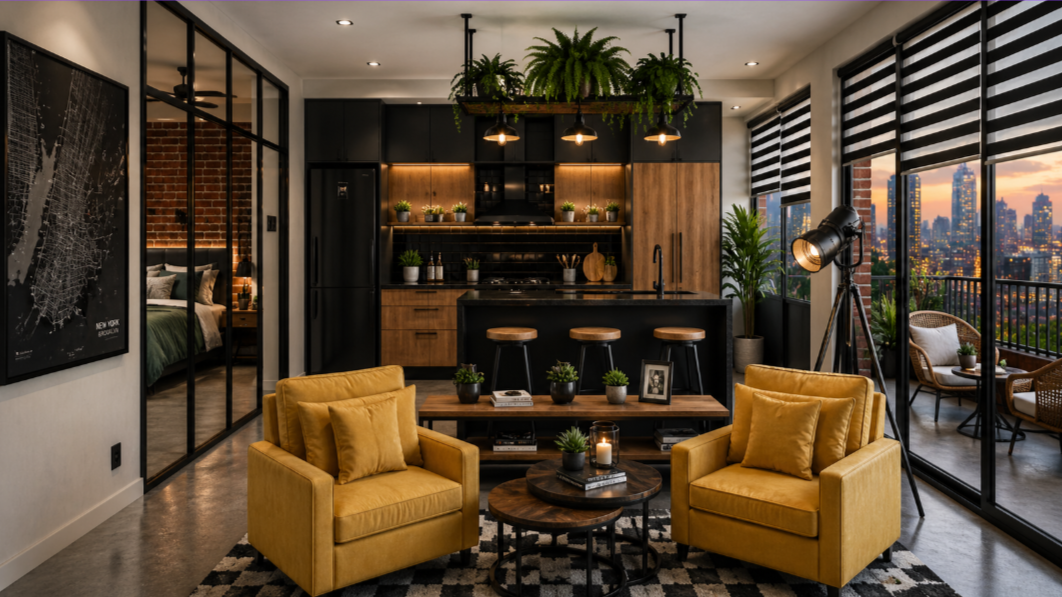
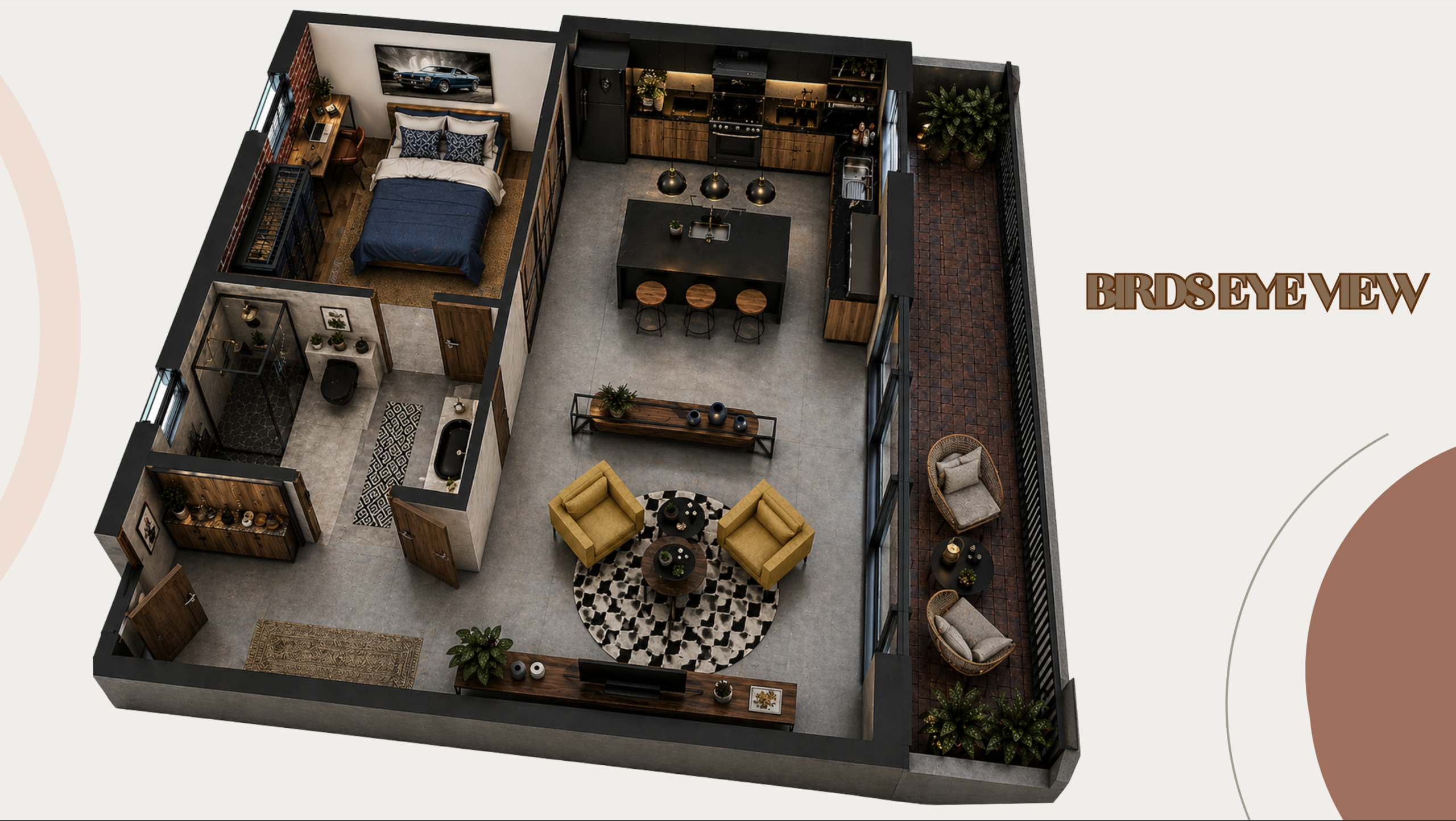
Designed for a high-flying finance professional, this cosmopolitan studio blends raw architectural grit with sophisticated luxury. Polished concrete, dark ironmongery, and unrefined surfaces deliver a striking architectural impact, paired with rich timber and plush hide to infuse warmth. Bespoke cabinetry, a dedicated minimalist office nook, and automated systems seamlessly accommodate a high-performance daily routine. Dimmable, strategic illumination tempers the structural coldness, turning the efficient layout into a chic sanctuary optimized for focused work and deep relaxation.
2026 2026
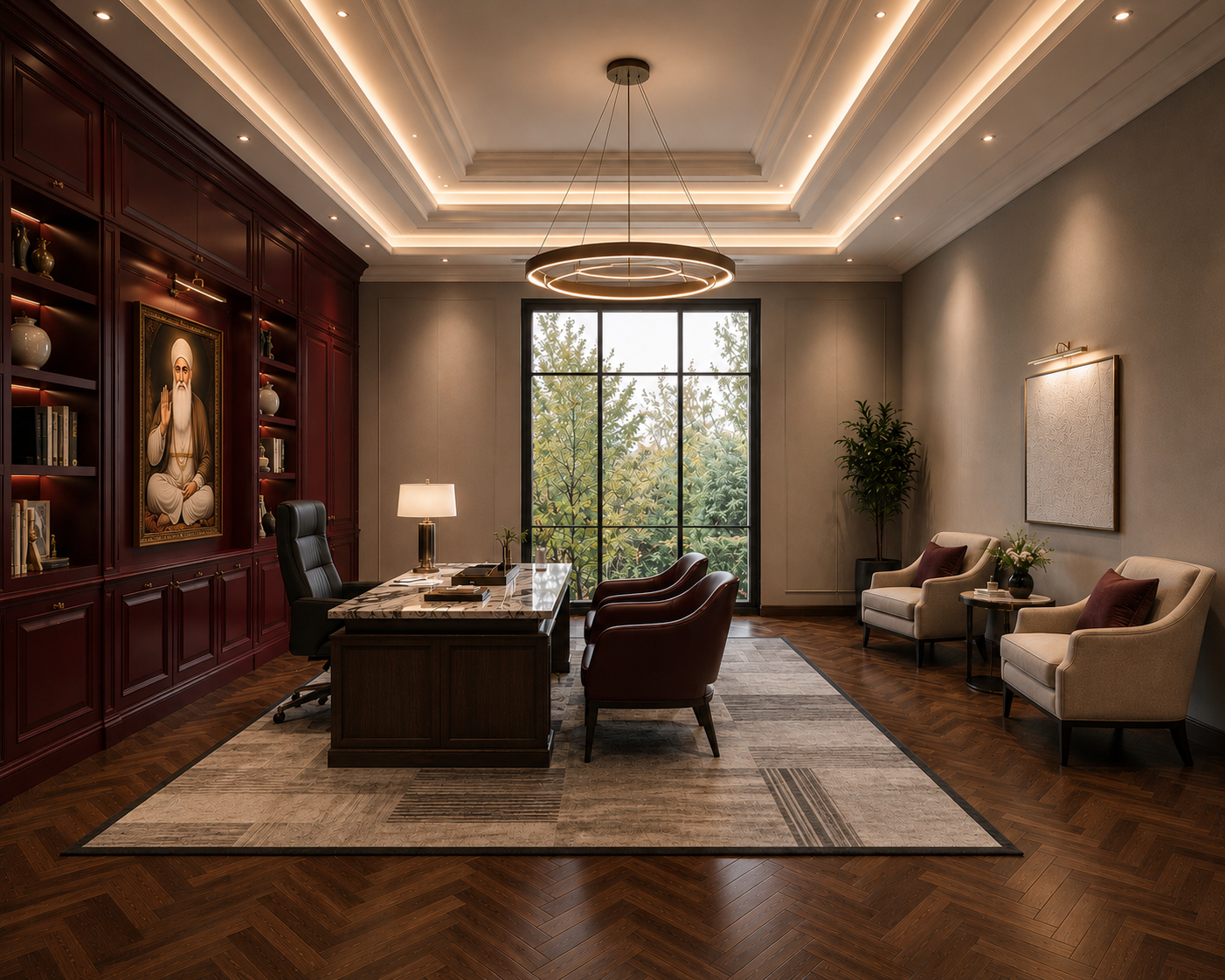
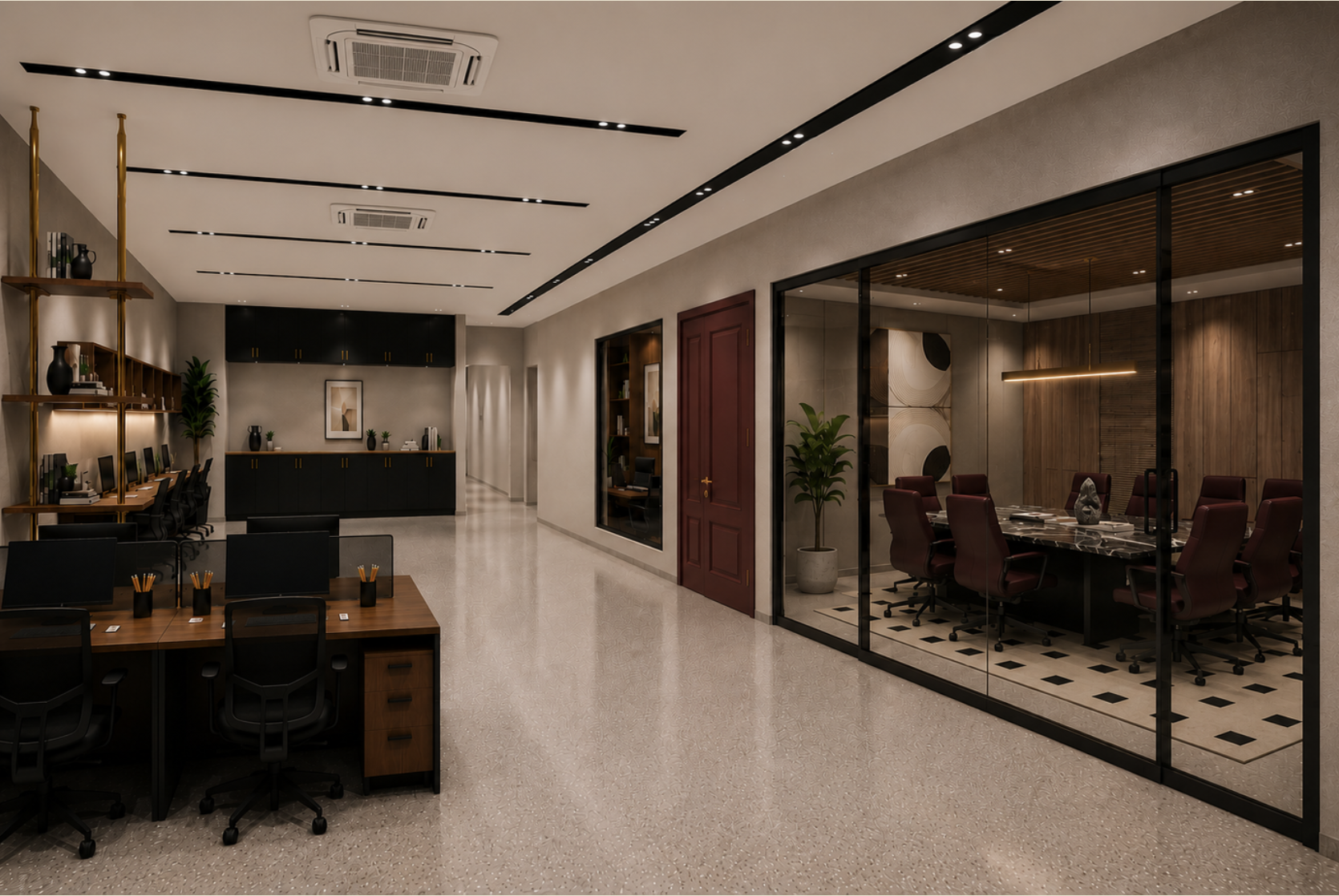
As part of my Capstone Project, I worked on designing a complete office space, taking the project from initial research and concept development to the final presentation. The project focused on creating a functional, aesthetically appealing, and user-centric workspace while considering space planning, ergonomics, materials, finishes, and design elements. A key aspect of the project was the integration of various AI tools throughout the design process. AI was used for research, ideation, concept development, visualization, and generating realistic 3D renders. We were also trained to use AI tools for creating immersive walkthroughs, which helped bring the designed space to life and communicate the overall design intent effectively.
2025 2025
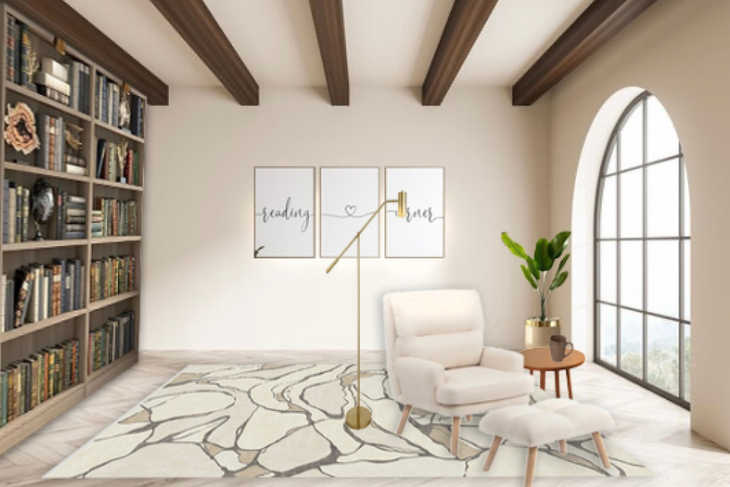
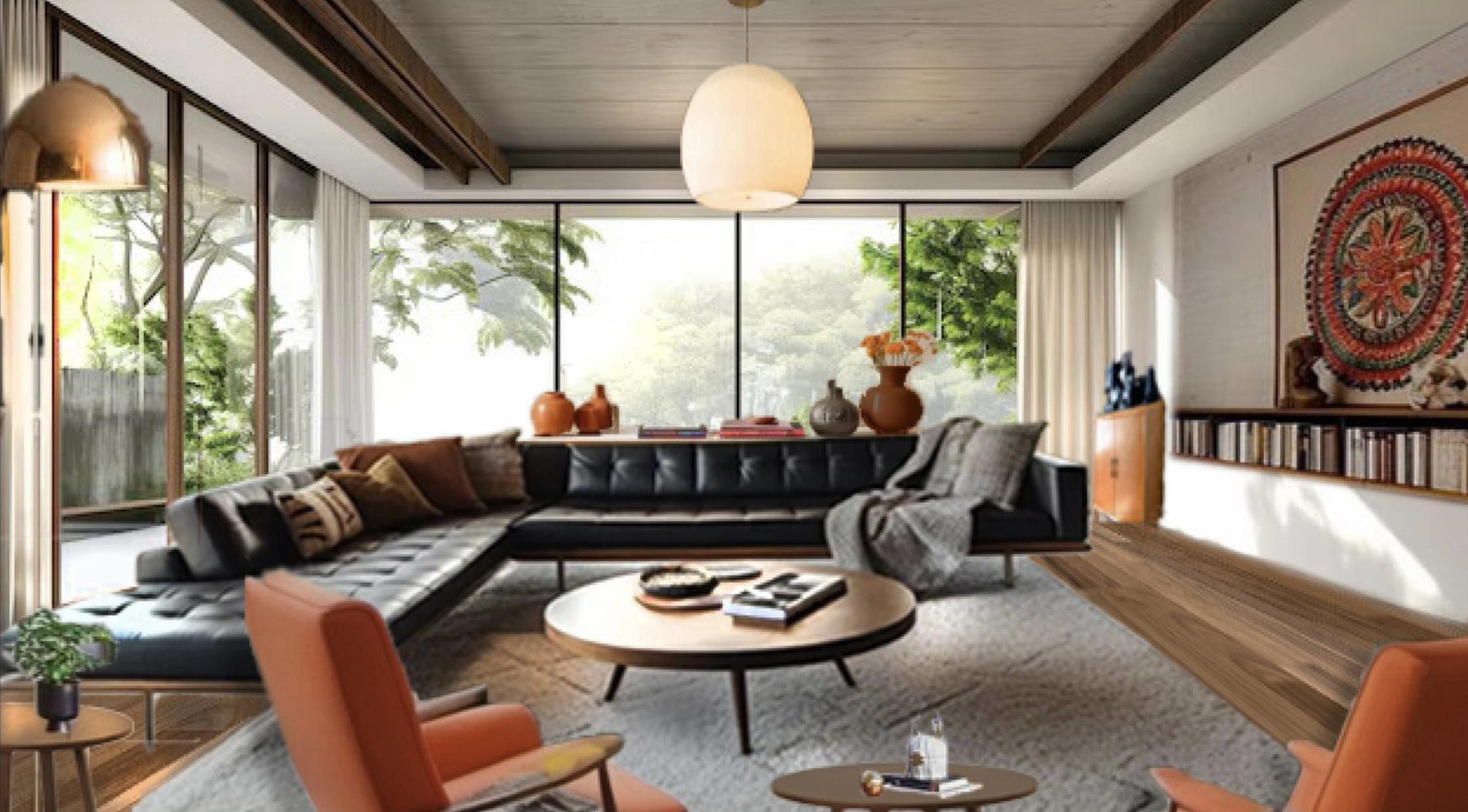
This project explores the art of interior styling through distinct spatial typologies, curated aesthetics, and defining design features. Each space was developed with a considered styling direction, focusing on the interplay of furniture, décor, colour, texture, materials, and architectural elements to establish a distinctive visual identity. Adobe Photoshop was extensively used as a styling and visualisation tool, demonstrating my ability to work with layering, masking, image manipulation, colour adjustments, compositing, and detailed retouching to develop and refine interior compositions. The project strengthened my ability to translate styling concepts into compelling visual narratives, while combining creative direction, digital proficiency, and an eye for composition and detail.
2025 2025
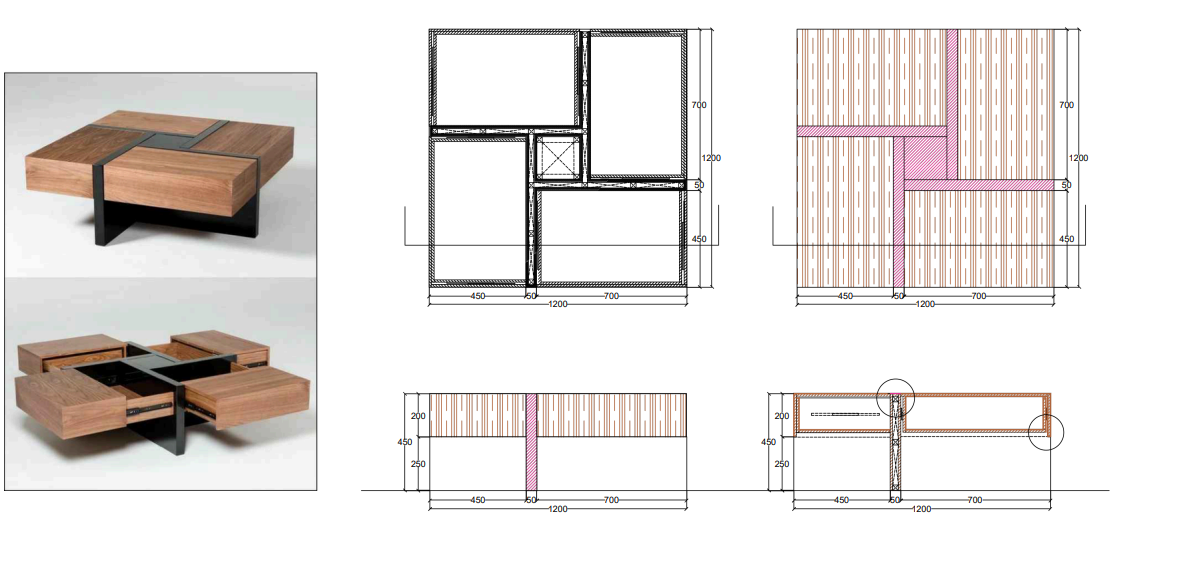
I completed a comprehensive Furniture Design course at the Academy of Applied Arts under the guidance of Sidhartha Sir. The course provided an in-depth understanding of furniture design, covering the history and evolution of furniture, material selection, and appropriate finishes. We learned to design furniture with a strong focus on ergonomics, functionality, comfort, and user requirements. The course also emphasized concept development, enabling us to translate creative ideas into practical and aesthetically appealing designs. Through this learning experience, I developed a better understanding of design principles, material applications, proportions, detailing, and the process of creating furniture that balances functionality, comfort, and visual appeal.
2025 2025
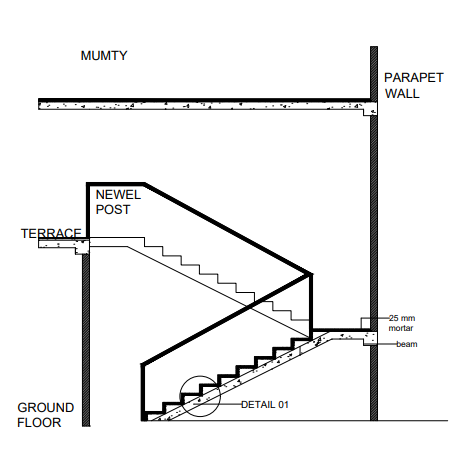
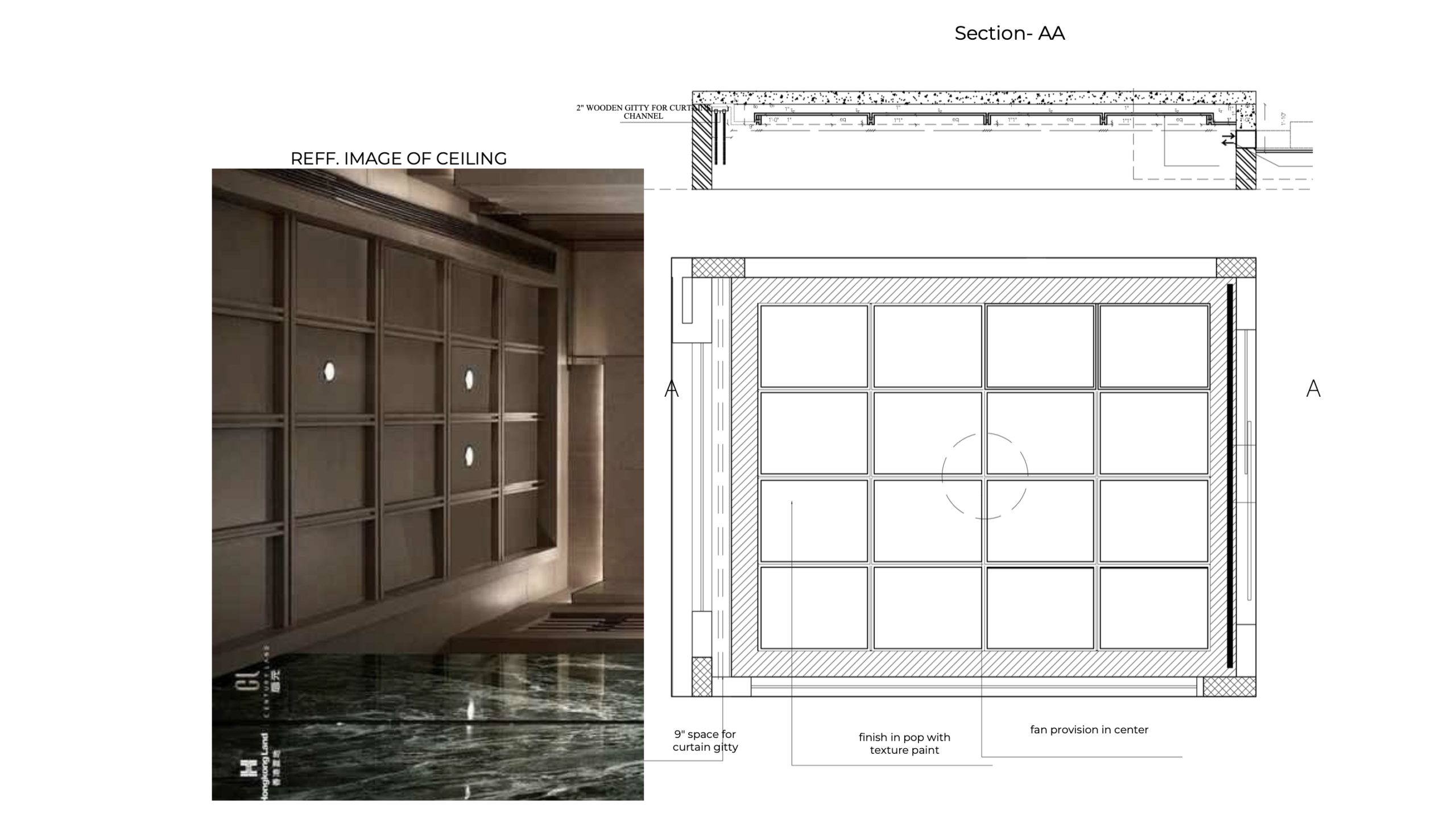
The Construction Module at the Academy of Applied Arts provided practical knowledge of construction techniques, materials, and building systems used in interior spaces. The module focused on understanding how design concepts are translated into functional and buildable environments. I developed an understanding of wall construction, flooring, ceilings, doors, windows, joinery, and basic structural elements, along with their detailing and installation processes. The module also strengthened my ability to interpret technical drawings and understand the relationship between materials, construction methods, and design intent. This learning helped me approach interior design with greater technical accuracy and an awareness of on-site execution, ensuring that creative ideas are both aesthetically effective and practically feasible.
2026 2026
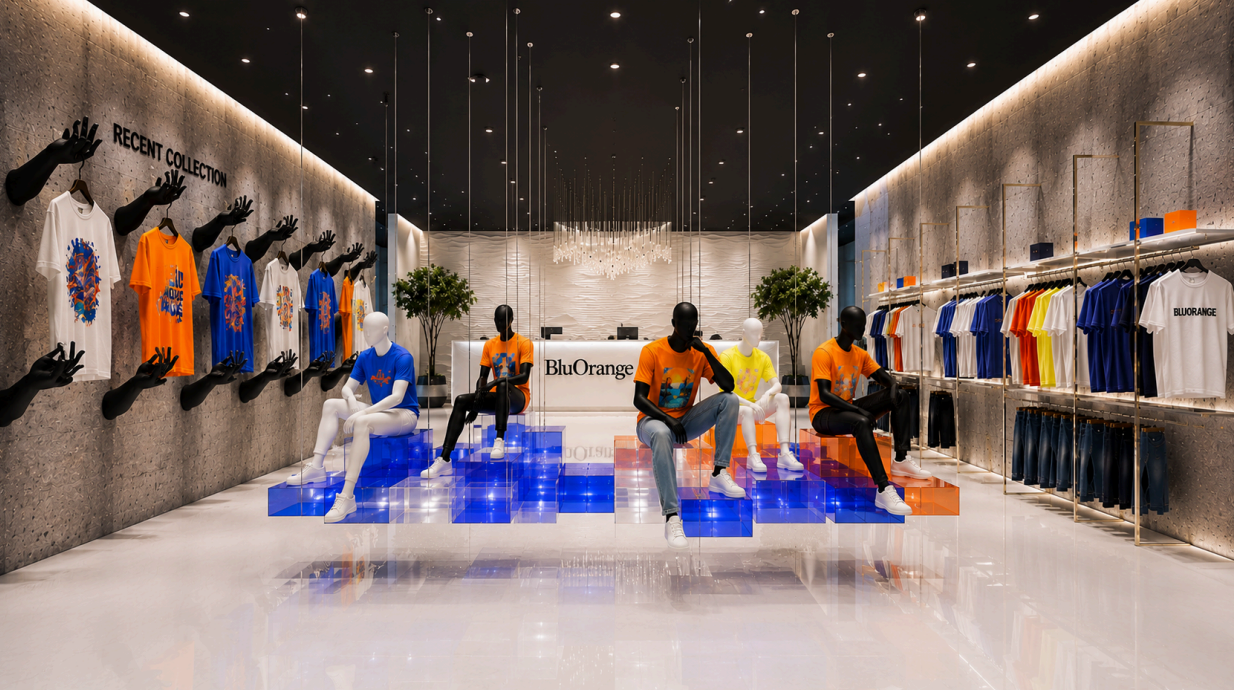
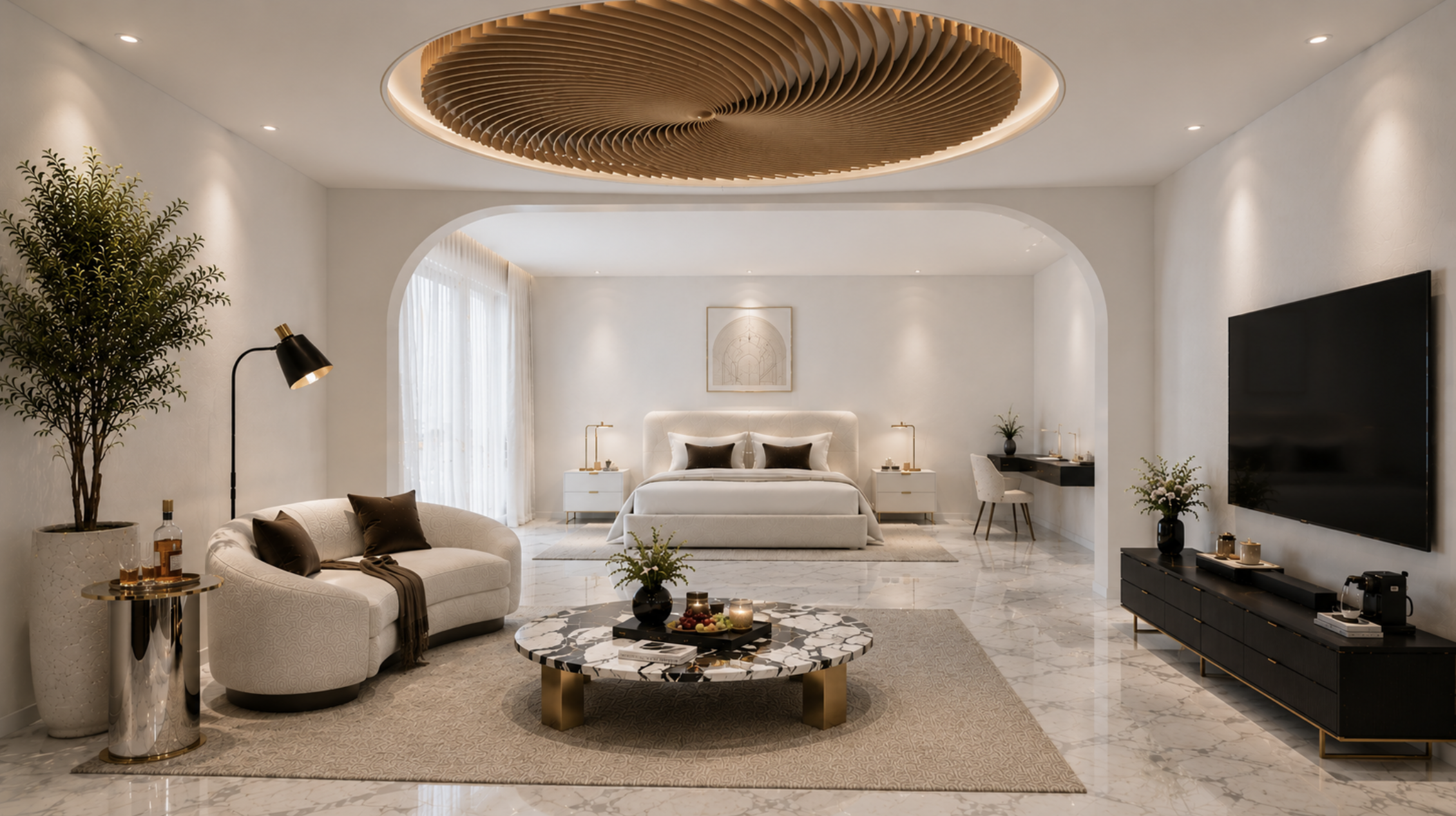
The project involved designing and transforming different interior spaces using AI-driven tools while experimenting with diverse aesthetics and design directions. This experience helped bridge the gap between creative imagination and digital visualisation, making the design process more efficient, experimental, and engaging. Overall, the project provided valuable insight into how AI can complement a designer’s creativity while opening new possibilities for innovation and contemporary interior design.

I see design as the art of giving spaces a voice. My philosophy begins with curiosity—the desire to explore how colours can evoke moods, materials can create memories, and light can transform the character of a space. I believe every interior should possess its own rhythm, soul, and visual language, rather than simply following a predefined aesthetic. My approach is an interplay of contrast and harmony—where boldness meets restraint, contemporary forms are softened by tactile materials, and functionality quietly merges with artistic expression. I enjoy creating spaces that reveal themselves gradually, through layered textures, unexpected details, sculptural elements, and carefully composed palettes. For me, the most successful design is not merely something to look at; it is something to feel, experience, and remember. I continuously experiment with new ideas, technologies, and AI-driven possibilities to push creative boundaries and transform imagination into immersive spatial experiences.
#DesignPhilosophy #InteriorDesign #SpatialDesign #DesignWithPurpose #DesignNarrative #CreativeInteriors #ContemporaryInteriors #Materiality #ColourAndTexture #DesignAesthetics #VisualLanguage #ArtOfDesign #ImmersiveSpaces #InteriorStyling #DesignInnovation #AIInDesign #AIDesign #FutureOfDesign #CreativeExploration #TimelessDesign #ExperientialDesign #ArchitecturalInteriors #DesignJourney #SpacesWithSoul #DesignedToFeel



About Us
About Us
The Academy of Applied Arts, with 14 years of heritage, specializes in transformative design. They are experts in crafting luxurious, timeless interiors and architecture, showcased across 6 countries, notably in New Delhi.
2020
Ranked among the
by the academic insights
2019
Ranked among the
by the academic insights
2018
Ranked among the
by the academic insights
2017
Ranked among the
by the academic insights
2016
Ranked among the
by the academic insights


